Alocasia longiloba 'Grandis' Aurea CORM | Collector Corm #1
An established plant of this cultivar sits far above this. A corm is the same genetics, several months earlier, at a fraction of the price.
★ Collector Corm
From the golden variegated Grandis line. Inner pot included.
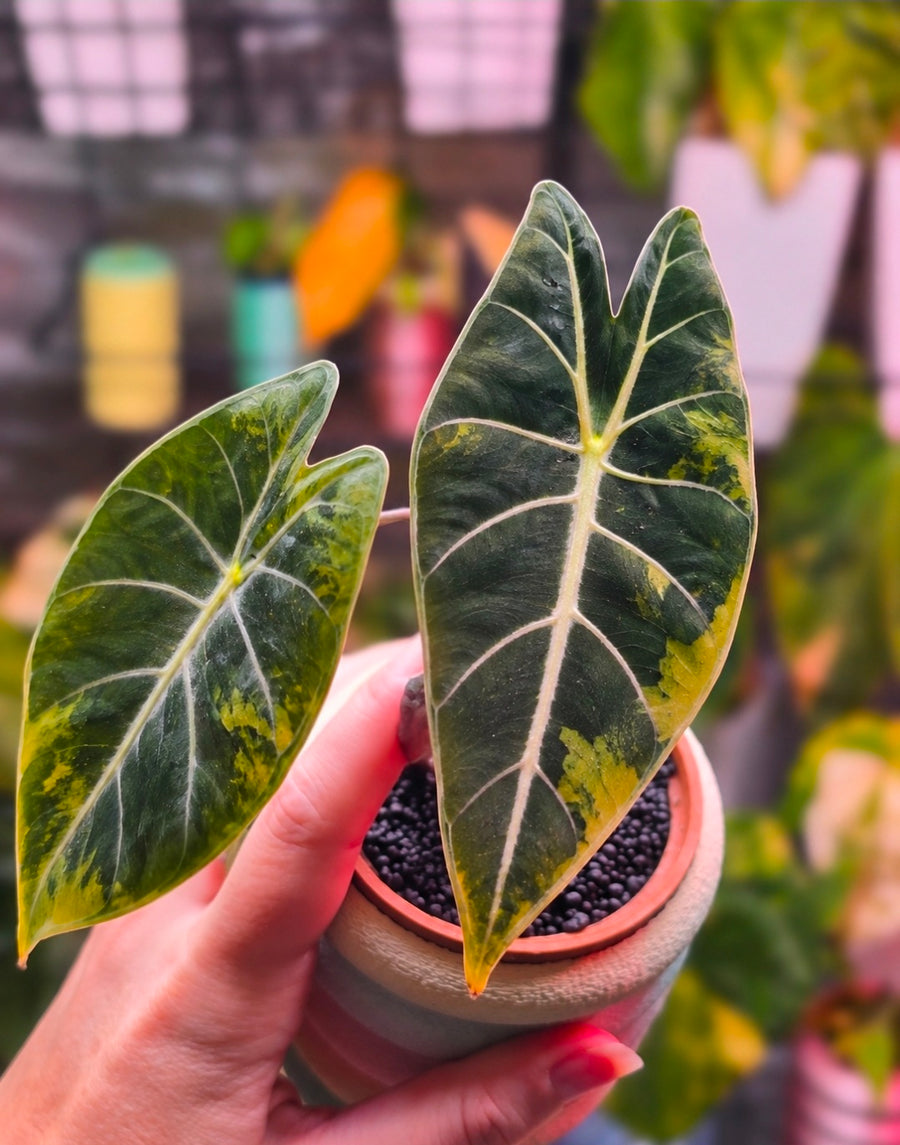
Alocasia longiloba 'Grandis' Aurea — corm. Golden variegation on the largest of the longiloba selections, at corm pricing.
The plant
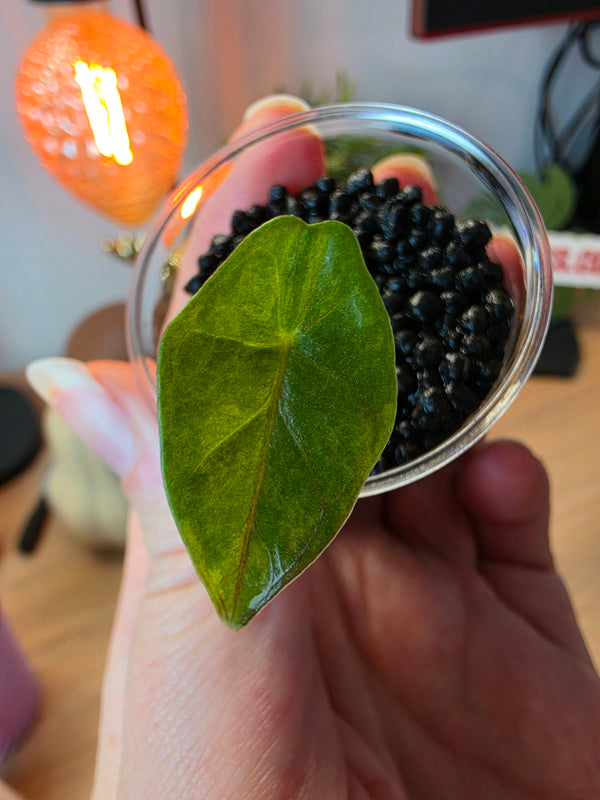
Longiloba is the narrow, arrow shaped Alocasia with dark blades and bright silver white venation. Grandis is the big one in that group: same shape, more scale, held upright on strong petioles.
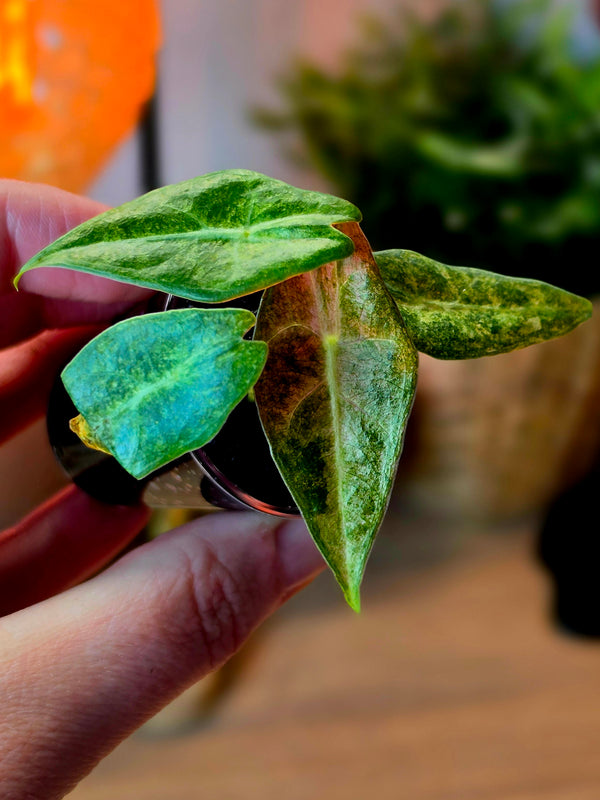
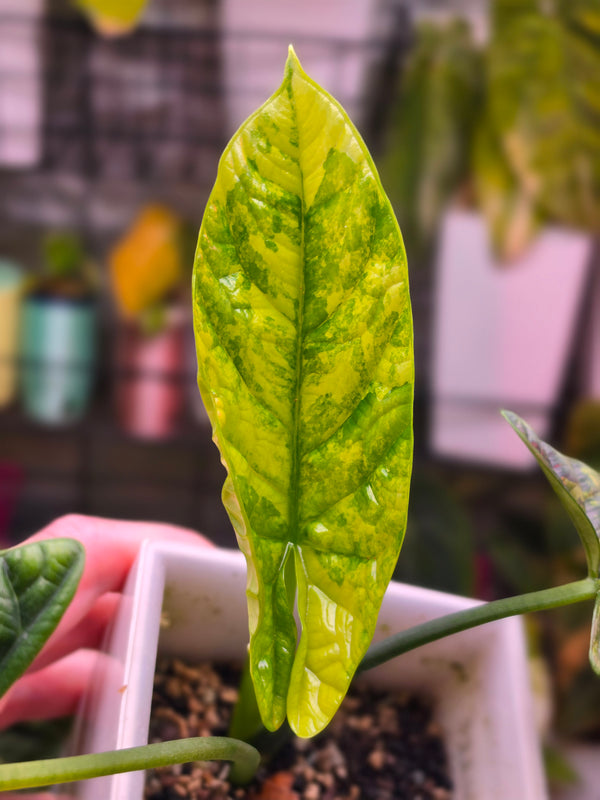
The aurea form adds golden sectoring across that dark ground. On a blade this size the variegation has room to spread, so it gets more striking as the plant matures rather than less.
This corm
- Format: Corm, not an established plant
- From: The longiloba Grandis Aurea line
- Notes: Corm stage. It needs warmth and moisture to break and root. Grow out is on you.
An honest note on corms: a corm has not leafed out yet, so its variegation cannot be shown, and variegation is never guaranteed to express the same way, or at all, from a corm. What you are buying is genetics from a variegated line at corm pricing, and the odds that come with it.
Starting the corm
- Warmth: 22 to 26°C. Corms break faster with a little bottom heat.
- Medium: Sphagnum or Fluval and perlite, lightly moist, never wet, in a humid covered environment until it roots and pushes its first leaf.
- Light: Low while breaking, bright indirect once it leafs out.
- Patience: A corm can take weeks to break dormancy. Quiet does not mean dead.
Thank you for collecting with us.
What the next two months look like.
What arrives
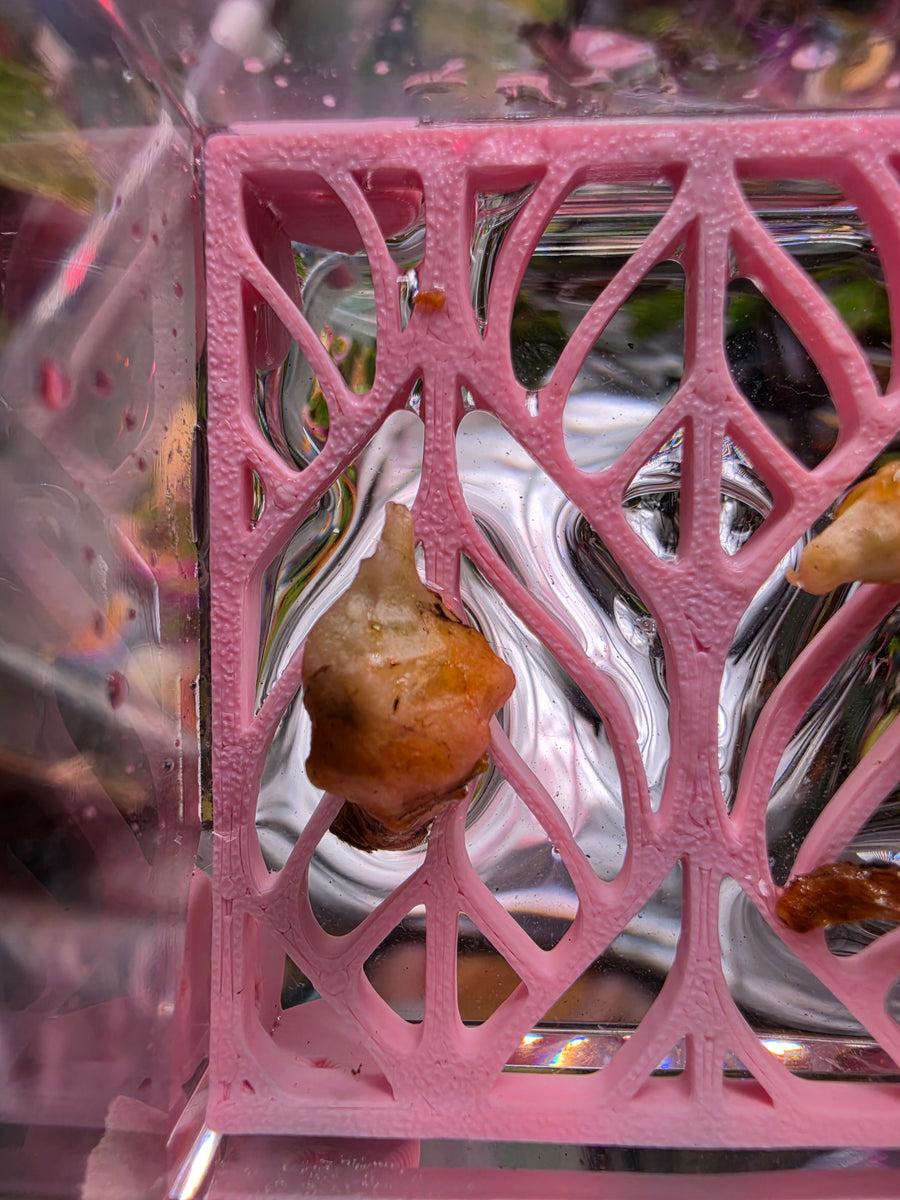
A dormant corm, cleaned and dry. It does not look like much. That is correct.
Sphagnum and humidity
Sit it on damp moss in a closed container, somewhere warm and bright but out of direct sun.
The first root
Two to six weeks. Nothing visible happens above the moss until it does. Do not dig it up to check.
The first leaf
Once a leaf opens, move it into substrate and start treating it as a young plant.
It will look like nothing is happening for weeks. Then it will look like everything happened at once.